
2008 Barbaresco Red Blend
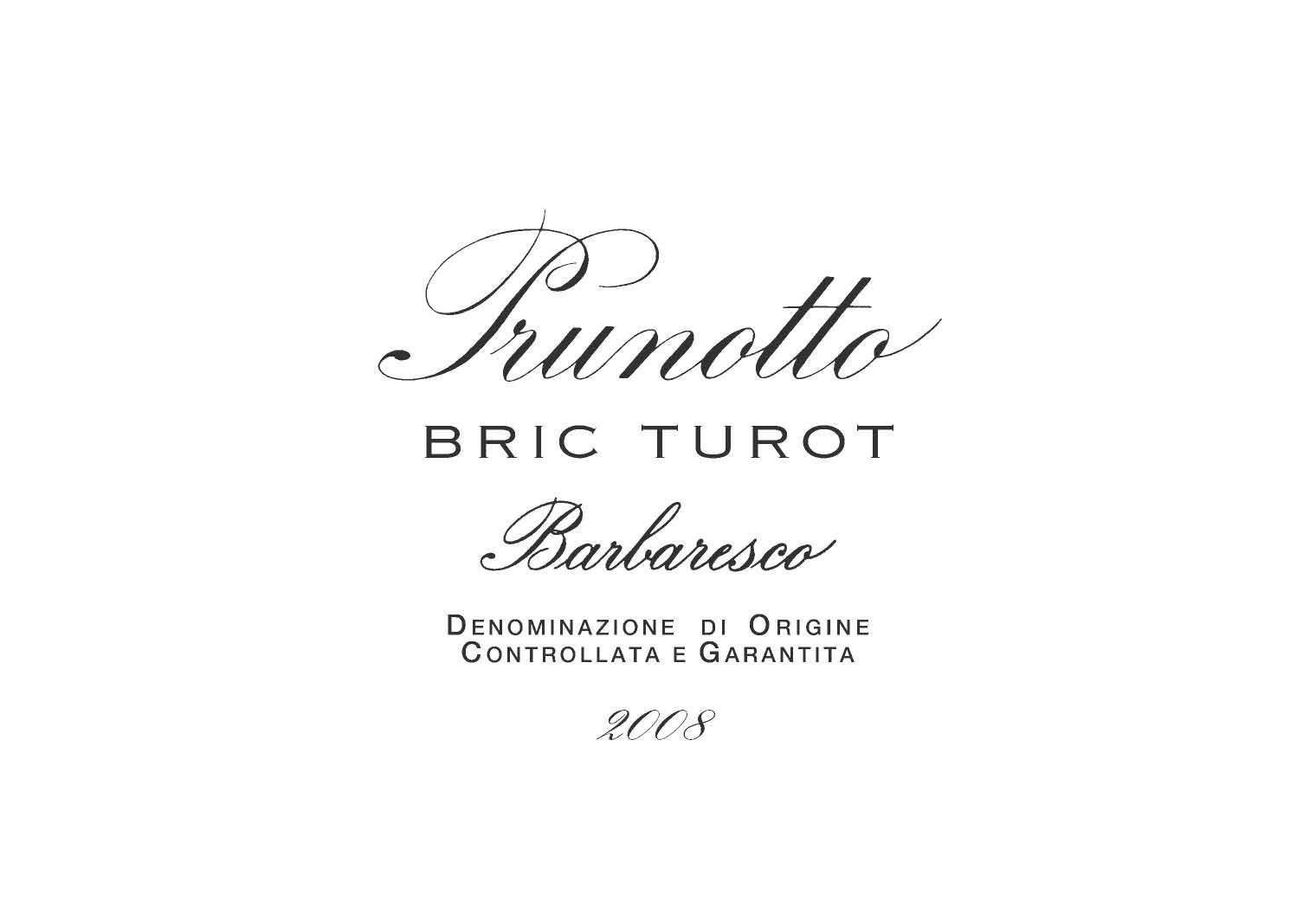
Prunotto Bric Turot from the famed Barbaresco region impresses with its deep ruby-red hue, heralding an exquisite experience within the glass. This 2008 vintage showcases a medium to full-bodied profile, exhibiting a delightful balance of power and elegance. The acidity presents itself as bright and lively, enhancing the wine's refreshing quality and providing a wonderful backbone to its rich flavors. With prominent fruit intensity, the blend offers alluring notes of dark cherry, plum, and subtle spice, making each sip a delightful exploration. The tannins are notably structured yet approachable, giving the wine a firm presence without overwhelming the palate. This red blend is perfectly dry, embodying sophistication and finesse that makes it a splendid companion for a wide array of food pairings, from hearty pasta dishes to grilled meats.
Prunotto Bric Turot from the famed Barbaresco region impresses with its deep ruby-red hue, heralding an exquisite experience within the glass. This 2008 vintage showcases a medium to full-bodied profile, exhibiting a delightful balance of power and elegance. The acidity presents itself as bright and lively, enhancing the wine's refreshing quality and providing a wonderful backbone to its rich flavors. With prominent fruit intensity, the blend offers alluring notes of dark cherry, plum, and subtle spice, making each sip a delightful exploration. The tannins are notably structured yet approachable, giving the wine a firm presence without overwhelming the palate. This red blend is perfectly dry, embodying sophistication and finesse that makes it a splendid companion for a wide array of food pairings, from hearty pasta dishes to grilled meats.


